

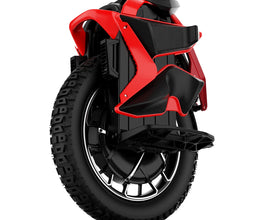
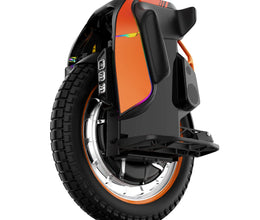
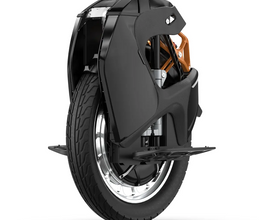
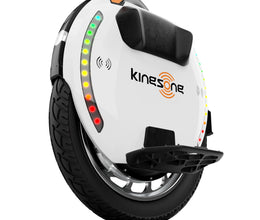
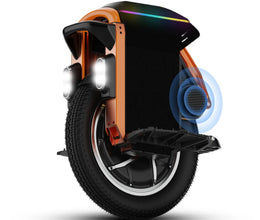
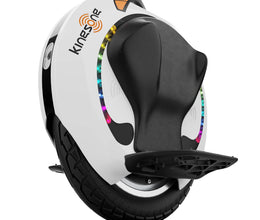
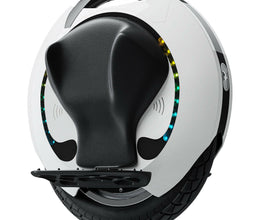
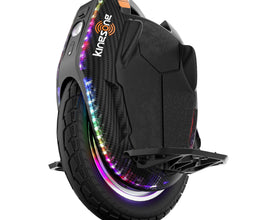
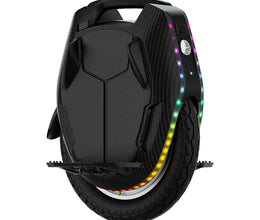
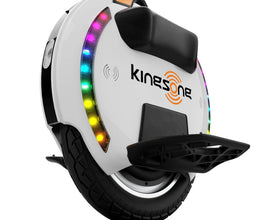
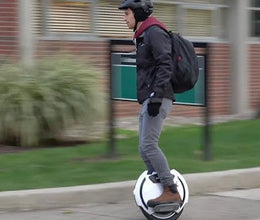

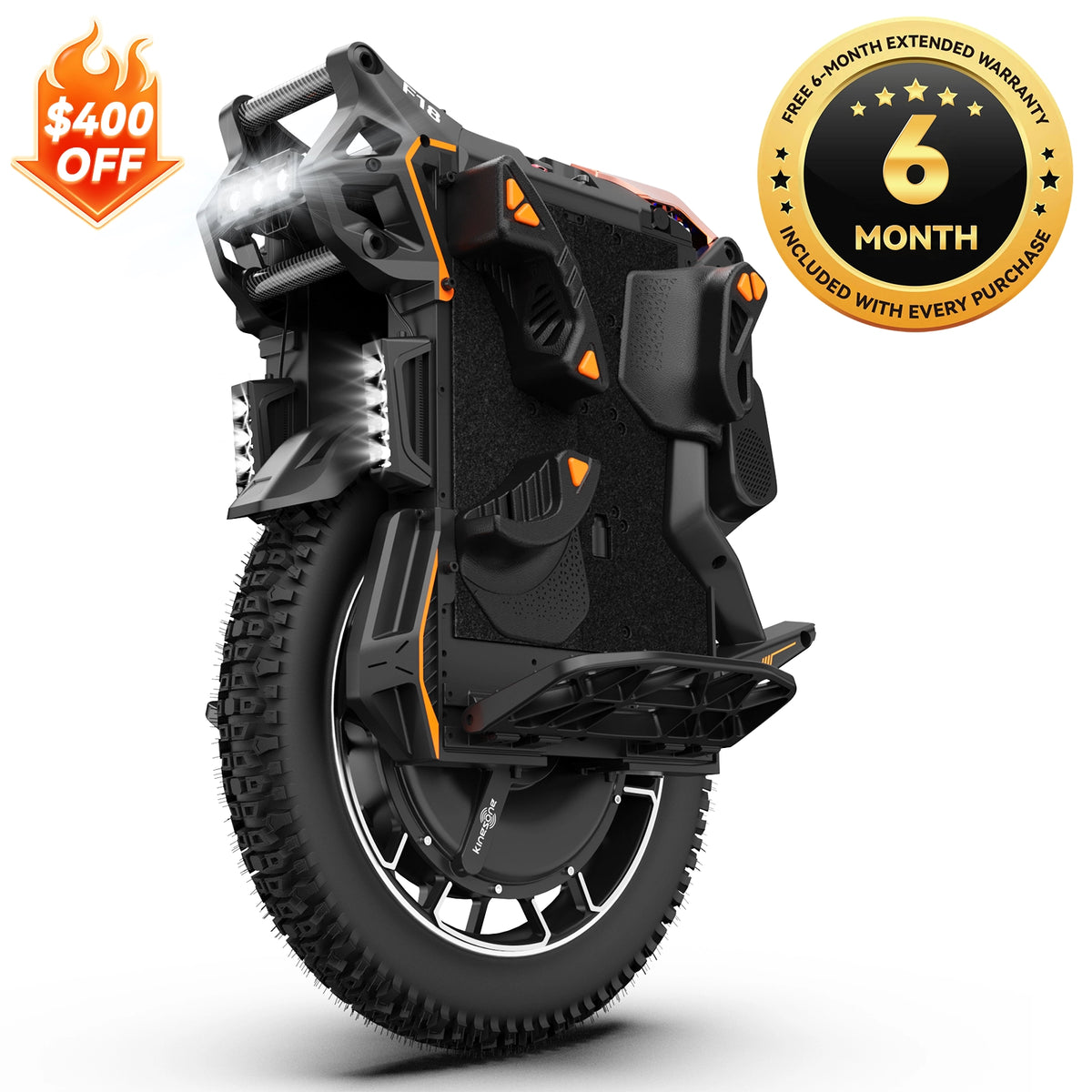
A trail-ready Kingsong EUC should match terrain, rider control, and ownership routine before headline specifications.
An off-road electric unicycle is an electric unicycle, or EUC, chosen for traction, control, clearance, and durability on mixed terrain rather than only smooth pavement. That usually means the rider should care less about a single headline number and more about how the wheel behaves on gravel, hardpack, ruts, uneven braking zones, and longer standing sessions. For Kingsong shoppers, the practical question is not simply 鈥淲hich wheel is most extreme?鈥?It is 鈥淲hich wheel fits the terrain I actually ride, the pace I can control, and the amount of weight I am willing to manage?鈥?/p>
Kingsong groups several current models into off-road and performance positions on its official EUC collection, including the F18, S22 Pro+, and F22 Pro. That makes the category easier to understand: some riders need a first capable trail wheel for mixed use, while others want a larger and more demanding setup for rougher surfaces or longer technical sessions. Before comparing model pages, start with the ride profile. The right off-road EUC should match your route, your experience, and your recovery margin when conditions get messy.
What changes when you leave pavement?
Off-road riding loads the wheel differently than a city commute. On smoother streets, a rider may prioritize compact size, portability, and simple stop-and-go behavior. On dirt, gravel, broken service roads, or uneven park paths, the wheel has to deal with traction changes, repeated impacts, body movement, and longer standing time. Small setup details become more important because the rider is absorbing more movement through the feet, knees, hips, and shoulders.
That is why an off-road electric unicycle should be judged as a system. Tire pattern, shell support, pedal stability, suspension feel where applicable, and overall weight all affect confidence. A model that looks impressive in a specification table may still be the wrong choice if it feels too heavy to control at low speed or too demanding to move when the terrain tightens up. Trail riding rewards consistency and predictability more than spec-sheet theater.
Start with the terrain, not the top speed
Many shoppers begin with speed or maximum range because those numbers are easy to compare. For mixed terrain, that is rarely the right first filter. A better starting point is terrain type. Ask where the wheel will spend most of its time: packed dirt, neighborhood greenways, gravel connectors, forest access roads, rocky utility paths, or occasional trail sections linked by pavement. Each environment places different pressure on tire behavior, rider stance, braking confidence, and fatigue.
If your routes are mostly city streets with only occasional broken surfaces, a lighter and more versatile EUC may be a better fit than a large trail-focused wheel. If your routes include repeated loose surfaces, washboard texture, or sustained uneven ground, stability and control matter more than chasing a narrow portability win. In other words, the right off-road setup is usually the one that keeps your technique clean when the surface stops being predictable.
Quick terrain decision guide
| Terrain | What to prioritize | Recommended direction |
|---|---|---|
| Mostly pavement | Easy control, daily portability, broken-road confidence | Choose a controllable all-round EUC. |
| Gravel and hardpack | Tire confidence, pedal stability, low-speed recovery | Choose a wheel that stays predictable on loose surfaces. |
| Frequent trail sessions | Control margin, comfort, support, and post-ride checks | Compare larger Kingsong off-road and performance models. |
Three practical Kingsong off-road paths
If you are narrowing the field inside the current Kingsong lineup, it helps to think in use cases instead of shopping blind. Kingsong places the F18, S22 Pro+, and F22 Pro inside its off-road or performance conversation, but they do not serve the same rider equally well.
- Mixed-use trail rider: Start by reviewing the Kingsong electric unicycle collection and focus on wheels that can handle dirt and pavement without turning every ride into a heavy-equipment session. This is the right path for riders who split time between commuting roads and weekend trail loops.
- Dedicated off-road rider: If your goal is frequent terrain riding, compare the larger off-road and performance entries in the full EUC lineup. Look for the wheel that gives you the most control margin in rough sections, not the one that only looks strongest on paper.
- Support-first buyer: If maintenance confidence matters as much as ride feel, pair your model shortlist with the Kingsong Help Desk & FAQ so you know where to check support and ownership information before buying.
This product path belongs early in the buying process for a reason. A good off-road EUC choice should already make sense before you start arguing about edge-case numbers. If the wheel is too large for your transport routine, too advanced for your current control level, or too specialized for the terrain you actually ride, the extra capability may not help in daily ownership.
What to compare on an off-road EUC
Tire behavior: Off-road riding depends heavily on how the tire communicates grip. Loose gravel, wet dirt, and shallow ruts all change the feedback you feel through your feet. A rider should think about whether the tire is being asked to roll mostly on hard surfaces with occasional trail sections or live on mixed terrain most of the time.
Pedal stability and body position: Trail riding demands more lower-body input than flat commuting. Stable pedals and a comfortable stance matter because you are constantly making small corrections. If a rider feels cramped, overextended, or fatigued too early, control drops quickly on uneven ground.
Weight and recoverability: Bigger wheels can offer more planted behavior, but more mass also changes low-speed corrections, stopping recovery, and the effort required to move the wheel when not riding. The right tradeoff depends on your strength, transport habits, and skill level.
Suspension and impact management: When a model is designed for rougher terrain, riders should consider how it helps manage repeated bumps and changing surfaces over time. Comfort is not just about luxury. It influences line choice, fatigue, and how calm the wheel feels after longer sessions.
Service reality: Trail use is harder on equipment. Before buying, review Kingsong support resources, look at accessory availability, and think about routine checks such as tire pressure, visible shell wear, pedal condition, and charging habits. Ownership matters as much as the first ride.
How to choose by rider profile
A newer rider should usually avoid choosing an off-road wheel as if the most aggressive option is automatically the right one. Off-road riding adds variables before basic balance habits are fully automatic. If you are still building confidence with mounting, braking, and clean turns, it often makes more sense to choose a controllable wheel that can grow with you instead of jumping straight to the most demanding setup.
An intermediate rider with solid street balance may be ready for a more terrain-focused Kingsong model, especially if mixed surfaces are a real part of the weekly route. That rider should compare how often the wheel will be carried, loaded into a car, or maneuvered indoors. Those ownership details are easy to ignore during shopping, but they shape whether the wheel gets used consistently.
An advanced rider can make a more specialized tradeoff. At that stage, the right off-road EUC is often the one that supports a specific style of riding: longer rough-distance sessions, more technical trail work, or a blend of fast connectors and unstable surfaces. The right choice is the one that matches your actual riding envelope, not the one that only sounds impressive in isolation.
Off-road preparation matters more than bravado
Before riding off pavement, treat setup and habits as part of the vehicle. Protective gear should be the default, not an afterthought. Tire pressure should be checked consistently because it changes feel and control. The route should be judged honestly, especially if the surface is wet, loose, or unfamiliar. Riders should also build skill progressively: smooth braking, controlled acceleration, relaxed knees, and clean line choice matter more off-road than trying to prove speed.
Rough terrain also increases the value of post-ride checks. Look for obvious tire damage, pedal wear, loose hardware, or shell impacts after harder sessions. If you are shopping for trail use, it is reasonable to review support resources and ownership guidance before you buy. Kingsong buyers can use the About Kingsong page for brand context and the support section for day-to-day ownership questions.
When a general EUC is the better answer
Not every rider who likes the idea of dirt paths needs a dedicated off-road electric unicycle. Many people really want a capable all-rounder that can survive rough sections without becoming oversized for daily use. If your terrain is mostly urban with occasional park connectors or broken pavement, a broad comparison inside the Kingsong EUC range may be more useful than focusing only on the most trail-oriented options.
This is where honest route mapping helps. A wheel that spends ninety percent of its life on pavement should not be chosen as if it lives on single-track all week. Buying for your real route usually leads to a safer and more enjoyable result than buying for your most ambitious fantasy ride.
Closing take
The right off-road electric unicycle is the one that keeps you controlled, comfortable, and consistent when the ground stops being simple. Kingsong shoppers should begin with terrain type, rider experience, and ownership reality, then compare the models that fit those limits. That approach produces a better shortlist than chasing one impressive specification.
If you are ready to compare current models, start with the Kingsong electric unicycle collection, then use the full EUC lineup to narrow down trail-capable options and the support resources to understand ownership expectations before checkout.
FAQ
What is an off-road electric unicycle?
An off-road electric unicycle is a self-balancing one-wheel vehicle chosen for mixed terrain, traction, control, and rider stability rather than only smooth city pavement.
Is the biggest EUC always the right choice for trails?
No. A larger wheel can offer advantages, but it can also be harder to control, transport, and recover at low speed. The better choice is the wheel that matches your terrain and skill level.
What should I compare before buying a trail-focused Kingsong EUC?
Compare your terrain, rider experience, wheel weight, stance comfort, support resources, and how often you will carry or store the wheel between rides.
Where should I start if I want to compare Kingsong off-road options?
Start with the Kingsong electric unicycle collection, then use the full EUC lineup and support pages to compare trail-capable options and ownership details.


